

Skagen Shore Excursions
4 & 5* Skagen Shore Excursions
No excursions currently available for this port.
Related destinations to Skagen


What should I know if this is my first time visiting Skagen on a shore stop?
If you have only a few hours ashore, plan priorities around proximity and transport times to make the most of your visit. Skagen shore excursions typically balance short walking routes with quick visits to key museums and the harbourfront, so expect a compact itinerary. Allow extra time for the town centre, the lighthouse area and the shoreline where the two seas meet. Carry layers because weather can change quickly, and bring sensible footwear for cobbled streets and sandy paths to keep your schedule stress-free.
Which attractions should I prioritise during a brief visit to Skagen?
For a concise introduction focus on the cluster of cultural sites near the town centre and the harbour. Skagen tours commonly include the Skagen Museum with its collection of late nineteenth-century painters, the preserved artists’ homes such as Anchers Hus, and the busy harbour galleries where you can see maritime life and local art. A short trip to Grenen where the Baltic and North Seas meet is often feasible, depending on timing, and offers dramatic coastal scenery and photographic opportunities.
Is it better to choose a half-day or a full-day excursion in Skagen?
Many visitors find a half-day works well for the town’s core cultural attractions and a quick walk to the shoreline, while a full-day allows time for more relaxed sightseeing, a visit to Grenen, and a coastal walk or cycling route. Skagen shore excursions that occupy a full day permit visits to smaller galleries, the museum complex, and local nature reserves without rushing. Consider your ship’s schedule, local transport connections, and whether you prefer a deeper exploration or a snapshot of highlights when deciding.
How much cultural and historical content is available on short visits?
Skagen has a rich cultural narrative focused on the artists’ colony and maritime traditions, and many short visits can still deliver meaningful context. Skagen tours typically concentrate on museums and preserved homes of the painters, providing insights into local life in the late nineteenth and early twentieth centuries. Guided stops often include interpreters or audio resources to explain artistic themes, techniques and community history, so even a brief visit can illuminate the town’s cultural significance and the reasons artists were drawn to the northern light.
What natural scenery can I experience during a shore excursion?
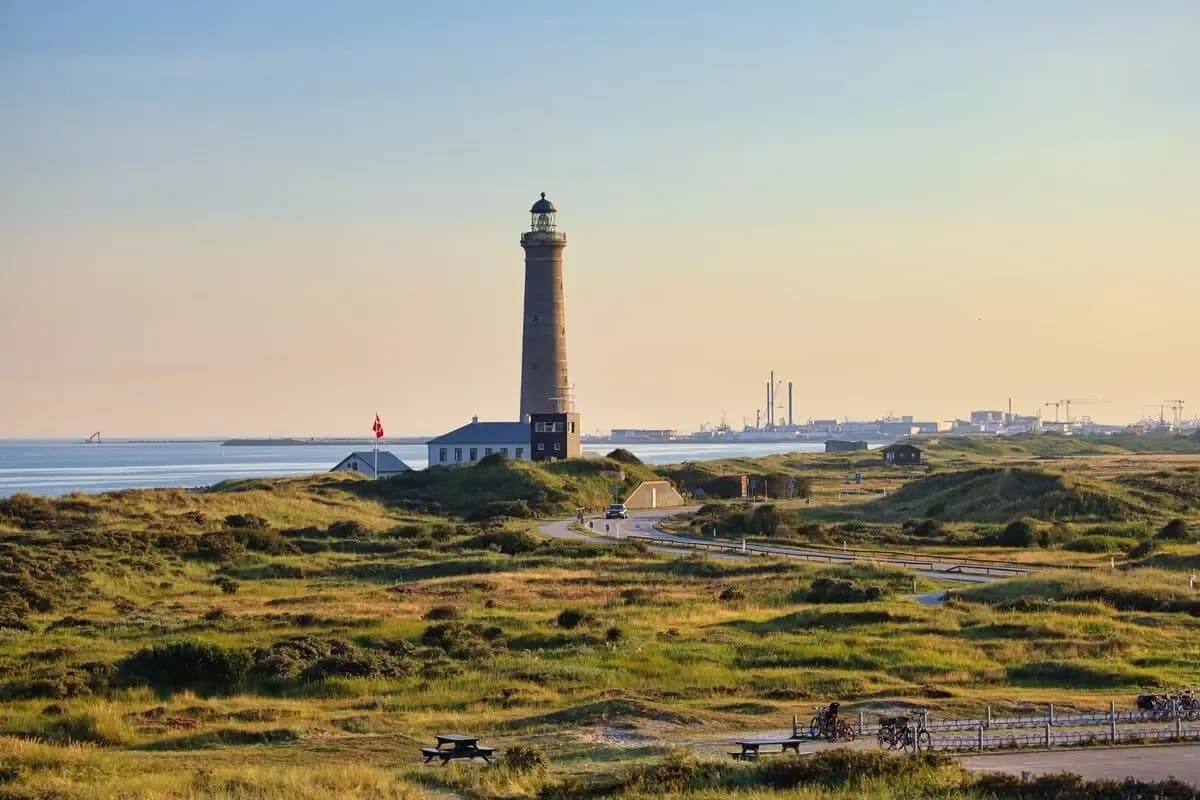
Coastal landscapes are a highlight, with expansive beaches, shifting sand dunes and the striking meeting point of two seas at Grenen. Skagen shore excursions often incorporate a walk or short transfer to vantage points where the flat, light-filled terrain has inspired generations of painters. Birdlife in nearby reserves and the changing colours of the shoreline make for rewarding photography and quiet contemplation. Dress for wind and sun exposure, and allow time to absorb the unique atmosphere that contrasts with more sheltered Danish coastal towns.
Where can I try local food and how long should I allow for dining?
Local cafés and harbourfront eateries offer fresh seafood, smoked fish and regional specialities that reflect the town’s maritime heritage. Skagen tours usually include suggestions for a quick bite in the town centre or a longer meal by the water; allow at least forty-five minutes to an hour for dining if you want a relaxed experience. Try simple preparations focusing on seasonal catch, accompanied by rye bread or potatoes. Check opening hours in advance as small venues may close between lunch and dinner service.
What level of physical activity should I expect on typical excursions?
Expect a moderate level of activity with walking on uneven pavements, cobbles and sandy stretches, and some gentle slopes around dunes and viewpoints. Skagen shore excursions are often designed to be accessible for most fitness levels but may include short walks of fifteen to thirty minutes between sights. If you have mobility concerns, choose itineraries explicitly described as easy pace or request minimal walking options. Comfortable footwear and attention to changing weather will make moving between attractions easier and more enjoyable.
Are Skagen shore stops accessible for passengers with mobility needs?
Accessibility varies by site, with museums and many harbourfront galleries offering step-free access and adapted facilities, while older buildings and natural areas such as dunes and beaches present challenges. Skagen tours often note accessibility levels for each stop, and local operators can advise on ramps, toilets and parking close to attractions. If you require a wheelchair or other assistance, inform your cruise operator or guide in advance so arrangements can be made and routes chosen to minimise stairs and long distances.
When is the best time of year and day to visit Skagen for favourable conditions?
Best months for mild weather and longer daylight are late spring through early autumn, when galleries stay open later and coastal walks are most pleasant. Skagen shore excursions scheduled in the morning benefit from calmer winds and softer light, while late afternoon offers lowered tourist numbers and dramatic sunsets that artists loved. Winter visits provide a different, more solitary coastal mood and are quieter but colder and windier. Check local opening times and weather forecasts to match your preferred activities to likely conditions.
Should I join a guided option or explore Skagen independently?
Choosing between guidance and independent exploration depends on priorities and time constraints; guided approaches deliver curated routes, context and transport logistics, whereas independent visits allow flexible pacing and personal discovery. Skagen tours can provide historical interpretation and ensure efficient use of limited shore time, which helps when scheduling matters. Independent visitors should plan routes, allow for travel times and check public transport or taxi availability. Consider how much background information you want and whether convenience or freedom matters more for your visit.
Which cruise lines visit Skagen?
Princess Cruises, Cunard, Azamara, Holland America Line, P&O Cruises, Oceania Cruises, Celebrity Cruises, MSC Cruises, Fred. Olsen Cruise Lines and Disney Cruise Line will all visit Skagen this year.
What cruise ships will sail to Skagen in 2026?
Skagen will be visited by Sky Princess, Queen Anne, Azamara Journey, Rotterdam, Britannia, Arcadia, Oceania Insignia, Celebrity Eclipse, MSC Preziosa, Sapphire Princess, Balmoral, Disney Dream and Nieuw Statendam.