

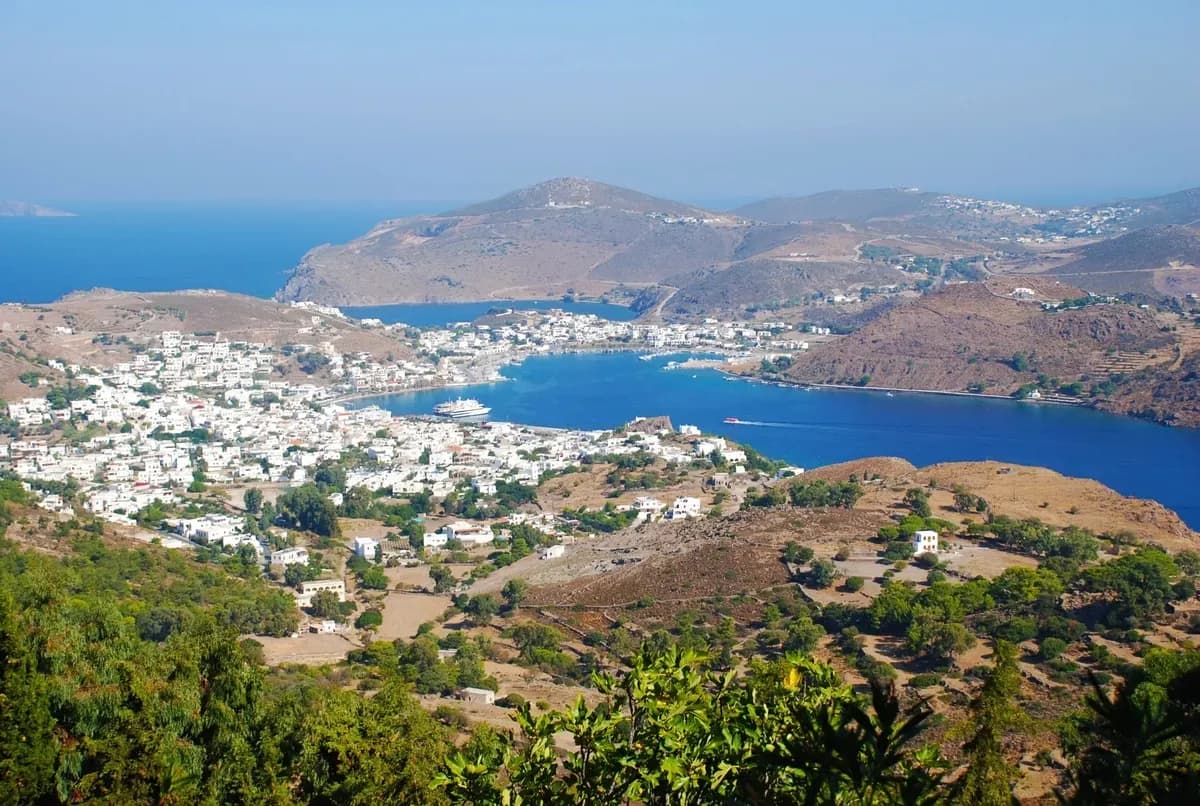
Pátmos Shore Excursions
4 & 5* Pátmos Shore Excursions

Pátmos
Guided Tour Patmos, Grotto of Apocalypses & Saint John Monastery
Port pick-up: Included
Duration: 2 - 3 Hours
Physical difficulty: Easy
Free cancellation
From USD 398.98
Pátmos
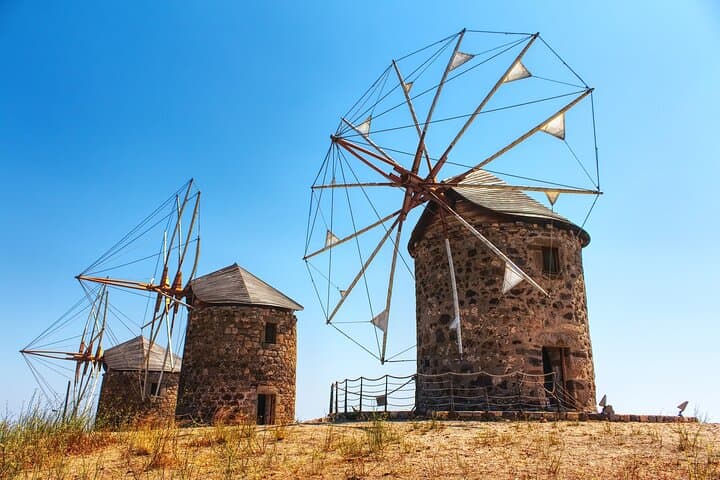
Guided Tour Patmos, Beaches, Windmills, Monasteries and Chora
Port pick-up: Included
Duration: 3 - 4 Hours
Physical difficulty: Easy
Free cancellation
From USD 449.89
Related destinations to Pátmos

What should I expect on my first visit to Pátmos?
If this is your first visit to Pátmos, expect a compact cultural immersion with narrow lanes, whitewashed houses and close views of the Aegean within easy reach of Skala harbour. Typical itineraries combine the UNESCO-listed Monastery of Saint John and the Cave of the Apocalypse with short periods for coffee, souvenir browsing or a seaside stroll. Time on shore is usually limited on cruise calls, so practical pacing matters. Many travellers find that guided Pátmos shore excursions provide historical context and efficient transfers, helping them see key sites without navigating logistics alone.
Which attractions are considered the top sights in Pátmos?
Among the highlights are the Monastery of Saint John the Theologian and the Cave of the Apocalypse, both central to the island’s UNESCO recognition and religious history. The stone-clad village of Chora with its views and Byzantine chapels rewards wandering, while Skala offers a compact harbour atmosphere and coastal vistas. Smaller attractions like local chapels, narrow lanes and traditional houses add texture to a visit. Visitors often select curated Pátmos tours to ensure time is used efficiently and to gain interpretive background on the monuments and their historical significance.
Should I pick a half-day or full-day shore excursion?
Deciding between a half-day and a full-day option depends on priorities such as depth of exploration and walking tolerance. A half-day programme typically covers the monastery and the cave plus brief time in Skala, suitable if you prefer a structured short visit. A full-day option allows for a more relaxed pace, visits to Chora, lunch at a local taverna and additional viewpoints or beaches. Consider ship docking hours, walking distances and whether you prefer guided interpretation or independent wandering when choosing Pátmos shore excursions.
How important is the island's religious and Byzantine history to the visit?
Religious and Byzantine heritage shapes Pátmos's identity and explains the focus of many visits on sacred sites and liturgical art. The Monastery of Saint John contains significant manuscripts and iconography, while the Cave of the Apocalypse is a site of pilgrimage linked to early Christian tradition. Architectural features and artefacts reflect centuries of monastic life. If historical context matters, joining a guided option is beneficial for understanding layers of meaning and preservation efforts; alternatively, concise guides or audio materials on Pátmos tours can supply the essential background for independent visitors.
What natural scenery and outdoor experiences can I expect on the island?
Coastal views and simple hikes dominate the island's outdoor appeal, with cliffs, small secluded bays and terraced hillsides offering varied vantage points over the Aegean. Short walks between Chora and nearby chapels provide panoramic scenes, while the harbour area presents pleasant seaside promenades. Flora is typically Mediterranean — scrub, olives and hardy shrubs — and light conditions create dramatic contrasts for photography. For those who want to combine history with landscape, many Pátmos shore excursions include brief coastal walks or viewpoints so you can appreciate both cultural sites and natural setting.
What local foods and dining options should I try while ashore?
Local gastronomy features fresh seafood, sun‑ripened vegetables, grilled meats and simple meze that showcase Cycladic flavours and island tradition. Mealtime often centres on seasonal produce, olive oil, local cheeses and tomato‑based dishes accompanied by bread and salads. Small tavernas in Skala and Chora serve relaxed lunches and traditional plates suitable for sampling a range of local tastes. For those with dietary restrictions, informing hosts in advance helps, and guided Pátmos tours sometimes include a recommended meal stop where you can try classic recipes and learn about local culinary culture.
What level of physical fitness or mobility is required for typical excursions?
Activity levels vary from gentle, mostly flat promenades in Skala to longer uphill cobbled routes and stepped alleys in Chora that demand moderate fitness. Reaching the monastery involves inclines and uneven surfaces, and some parts of the cave complex include steps and narrow passages. Comfortable footwear and a reasonable level of mobility make the experience more enjoyable. If you have limited stamina or mobility concerns, look for shorter, easier-paced programmes or private options that limit walking; many Pátmos shore excursions note walking intensity so you can select a suitable itinerary.
Are Pátmos shore excursions suitable for travellers with accessibility needs?
Accessibility is limited in many historic sites due to steep cobbles, narrow lanes and unmodified steps, which can pose challenges for wheelchair users and those with reduced mobility. Skala harbour is generally easier to navigate with flatter surfaces, while the Monastery and the Cave of the Apocalypse have uneven terrain and restricted access in parts. Some operators provide adaptive vehicles or alternative routes, and contacting excursion providers in advance can clarify specifics. For visitors requiring close assistance, arranging private transport or tailor-made Pátmos tours improves the chance of a manageable, comfortable visit.
When is the best time of day or season to visit Pátmos on a cruise call?
Timing can affect temperature, crowds and lighting for sightseeing; early morning visits are cooler and quieter, while late afternoon offers softer light for photography and a more relaxed atmosphere. Seasonal considerations matter too: spring and early autumn provide mild weather and fewer visitors, while summer brings higher temperatures and larger cruise-groups. Windy days (meltemi) can make exposed viewpoints breezier. If you prefer comfortable walking and clearer interpretation time, select an itinerary that aligns with your preferred temperature range and crowd expectations — many Pátmos shore excursions publish seasonal guidance.
Is it better to join a guided excursion or explore independently?
Choosing between guided and independent exploration depends on whether you prioritise historical context, convenience or pace. Guided excursions offer structured transport, local interpretation and efficient routing that can be helpful with limited shore time, whereas independent visits allow more spontaneous wandering and flexible timing. Consider factors such as language preferences, mobility, comfort with navigation and interest in deeper historical detail. If you value background information and seamless logistics, organised Pátmos tours provide interpretation and scheduling, while independent exploration suits travellers who prefer unhurried discovery and finding quieter corners on their own.
Which cruise lines visit Pátmos?
Marella Cruises and Azamara will all visit Pátmos this year.
What cruise ships will sail to Pátmos in 2026?
Pátmos will be visited by Marella Discovery 2, Marella Discovery, Azamara Quest and Azamara Onward.