


Punta Vicente Roca, Isabela Island, Galápagos Shore Excursions
4 & 5* Punta Vicente Roca, Isabela Island, Galápagos Shore Excursions

Punta Vicente Roca, Isabela Island, Galápagos
Walking Tour to Sierra Negra volcano and Chico Volcano from Isabela Island
Duration: 5 Hours
Physical difficulty: Easy
Free cancellation
From USD 75.00

Punta Vicente Roca, Isabela Island, Galápagos
Sierra Negra Volcano Galapagos Horseback Riding & Hiking
Duration: 6 Hours
Physical difficulty: Medium
Free cancellation
From USD 260.00

Punta Vicente Roca, Isabela Island, Galápagos
Wetlands Tour with Wall of Tears from Isabela Island
Duration: 6 Hours
Physical difficulty: Easy
Free cancellation
From USD 271.00

Punta Vicente Roca, Isabela Island, Galápagos
Half Day Tintoreras Tour from Isabela Island
Duration: 3 Hours
Physical difficulty: Easy
Free cancellation
From USD 90.00

Punta Vicente Roca, Isabela Island, Galápagos
Visit to the Interior of the Triplets Volcano Crater
Duration: 4 Hours
Physical difficulty: Medium
Free cancellation
From USD 160.00

Punta Vicente Roca, Isabela Island, Galápagos
Full day Lava Tunnels Tour from Isabela Island
Duration: 7 Hours
Physical difficulty: Easy
Free cancellation
From USD 271.00
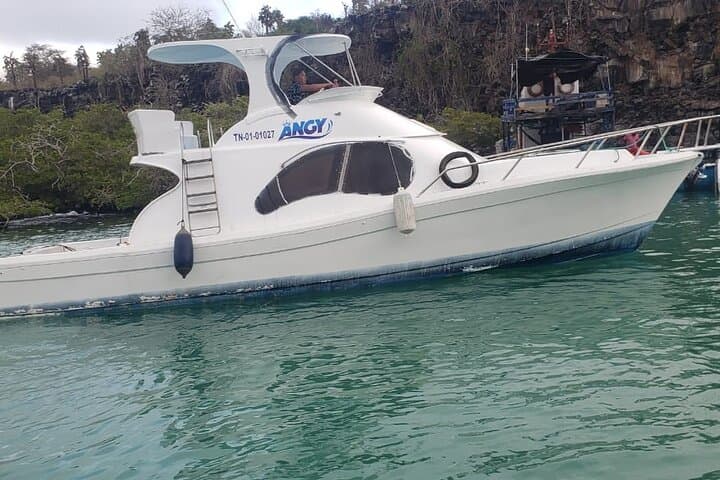
Punta Vicente Roca, Isabela Island, Galápagos
Transfer from Isabela Island to Santa Cruz Island
Duration: 3 Hours
Physical difficulty: Easy
Free cancellation
From USD 56.00

Punta Vicente Roca, Isabela Island, Galápagos
Wetlands Walking Tour in Isabela Island
Duration: 2 Hours
Physical difficulty: Easy
Free cancellation
From USD 69.00
What should I expect on my first visit to Punta Vicente Roca?
If you’re visiting Punta Vicente Roca for the first time, expect dramatic coastal scenery rather than a conventional beach landing. Rising black cliffs and glassy waters form a headland on Isabela Island’s western flank, and most visits are conducted from zodiacs or aboard a narrated coastal cruise. Punta Vicente Roca shore excursions typically include short snorkel swims, wildlife viewing and close-up geological observation; there is usually no shore landing. Wear a wetsuit or swimwear under clothing, bring sun protection and waterproof camera gear, and listen closely to safety briefings before entering the zodiac.
What are the top attractions to see there?
The top attractions at the headland combine dramatic geology with rich marine life. Towering basalt cliffs, lava flows and eroded rock faces create a striking backdrop for seabird colonies and shorebreak. Punta Vicente Roca tours frequently highlight sightings of Galápagos penguins, flightless cormorants, marine iguanas and green sea turtles, along with manta rays and reef sharks offshore. Clear water and productive upwellings make snorkel swims particularly rewarding for encountering colourful fish and macro life. Bring binoculars and an underwater camera, and expect most observation to take place from the zodiac or a small boat rather than from land.
Should I choose a half-day or full-day excursion?
Choosing between a half-day and a full-day visit hinges on time, comfort and cruise schedules. Half-day Punta Vicente Roca shore excursions are typically three to four hours long, concentrating on a zodiac cruise along the cliffs with one or two short snorkel stops and concise interpretive commentary. Full-day outings extend sea time, may include multiple snorkel locations, longer wildlife observation and additional briefing time, suited to snorkellers wanting deeper exploration or underwater photographers. Vessel type, sea conditions and park regulations determine what is possible, so verify the planned itinerary and fitness requirements before joining.
Is there any cultural or historical significance to the site?
Human presence at Punta Vicente Roca has always been very limited, so cultural history focuses on protection and scientific study rather than settlement. The area forms part of the Galápagos National Park and is included in the archipelago’s UNESCO World Heritage designation, reflecting long-standing conservation efforts. Punta Vicente Roca tours often include commentary on early naturalist voyages, cartography and ongoing research into marine upwellings and endemic species. There are no established communities at the headland; human interaction is regulated through permits and park rules designed to preserve both terrestrial and marine habitats for research and education.
What kind of nature and scenery can I expect?
Punta Vicente Roca is renowned for its stark volcanic scenery and coastal drama. Jagged basalt cliffs plunge into clear, often emerald-toned waters where waves have sculpted caves and arches; the interplay of light and shadow makes for striking photographs. Punta Vicente Roca shore excursions let visitors observe seabird rookeries, marine iguanas clinging to rock and abundant marine life beneath the surface without a formal beach landing. The headland’s remote, rugged character emphasises contrasts between land and sea, so bring a camera, binoculars and layered clothing to cope with variable wind and spray.
Are there food and dining options at the site?
You will not find eateries at the headland itself; food arrangements are handled elsewhere. During organised outings, provisioning is provided aboard the cruise ship or dayboat, so Punta Vicente Roca tours rarely include on-site dining. If you plan time in nearby towns such as Puerto Villamil before or after the visit, expect fresh seafood, ceviche and rice-and-plantain dishes typical of the Galápagos and Ecuadorian coast. Carry your own water and any snacks you need, observe park rules prohibiting feeding wildlife and avoid leaving food residues that could affect native species and fragile ecosystems.
What activity level is required for these excursions?
Expect a moderate level of activity during visits, with short bursts of physical movement. Punta Vicente Roca shore excursions involve transfers into and out of zodiacs, short snorkel swims and standing on a rocking boat while observing the coastline. Participants should be able to step down into a low-sided inflatable, climb back aboard and follow safety instructions; basic swimming ability is usually required for snorkelling. Those with limited mobility, balance issues or severe seasickness should discuss concerns with the operator or cruise staff, since most visits are water-based and not suitable for people requiring full assistance.
How accessible is Punta Vicente Roca for people with mobility needs?
Accessibility is constrained by the marine nature of the site and park regulations. Because there is usually no shore landing, Punta Vicente Roca tours rely on zodiacs and small boats, which are not wheelchair accessible and require passengers to step down into inflatables. Individuals with mobility impairments should inform their cruise operator in advance to discuss assistance options; some larger vessels can provide a narrated coastal cruise experience from the ship’s deck that offers good views without zodiac transfers. Be aware that rough seas can further limit access and the captain may alter plans for safety reasons.
When is the best time of year or day to visit?
The optimal time to visit depends on whether you prioritise warm water or nutrient-rich marine life. Punta Vicente Roca shore excursions are pleasant from December to May when seas are generally calmer and surface temperatures are warmer, making snorkelling comfortable. The cooler season from June to November brings stronger upwellings, increased plankton and often better sightings of pelagic species, though surface waters are colder and require thicker exposure protection. Morning visits usually offer calmer conditions and clearer light, but final plans should remain flexible because local weather and currents can change quickly.
Are guided excursions better than independent visits?
Independent visits to Punta Vicente Roca are generally not possible due to park regulations and logistic constraints. Only authorised vessels and licensed guides may operate in the area, so Punta Vicente Roca tours provide the legal framework, safety briefings and interpretive commentary required by the Galápagos National Park. Guides know permitted routes, wildlife etiquette and the safest ways to board zodiacs; they also help ensure visits have minimal ecological impact. Private or unlicensed craft may be refused entry and are subject to fines, so check permits and operator credentials before assuming independent access is allowed.