


Otaru Shore Excursions
4 & 5* Otaru Shore Excursions

Otaru
Otaru Rickshaw Tour
Duration: 0 - 2 Hours
Physical difficulty: Easy
Free cancellation
From USD 39.02
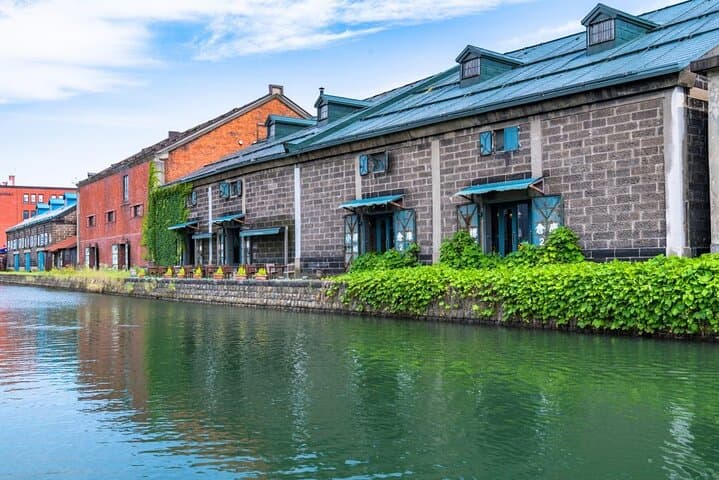
Otaru
Otaru 4hr Private Trip with Government-Licensed Guide
Port pick-up: Included
Duration: 4 Hours
Physical difficulty: Easy
Free cancellation
From USD 107.30
Otaru
Otaru 6hr Private Trip with Government-Licensed Guide
Port pick-up: Included
Duration: 6 Hours
Physical difficulty: Easy
Free cancellation
From USD 152.82
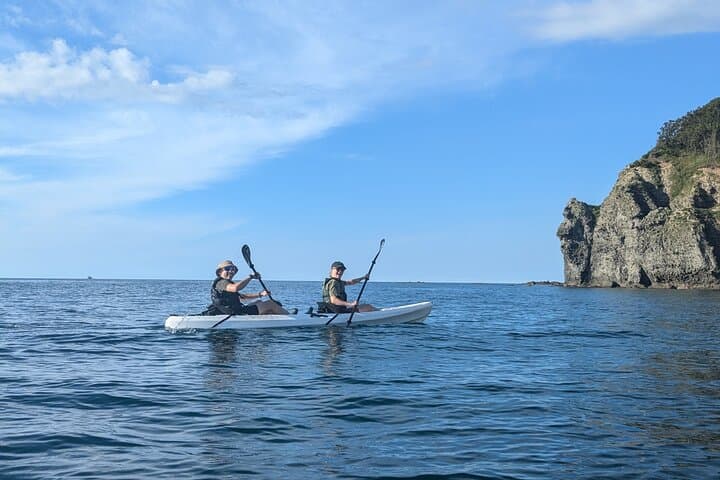
Otaru
Sea Kayaking Tour – Otaru Coastal Adventure
Duration: 2 Hours
Physical difficulty: Easy
Free cancellation
From USD 97.55

Otaru
Private Customizable walking Tour in Otaru
Port pick-up: Included
Duration: 4 Hours
Physical difficulty: Medium
Free cancellation
From USD 165.00

Otaru
Otaru Private 4hr Walking Tour: Tailored for You
Duration: 4 Hours
Physical difficulty: Easy
Free cancellation
From USD 100.05

Otaru
Create an Original Seal with Natural Stone and Otaru Artisans
Duration: 1 Hours
Physical difficulty: Easy
Free cancellation
From USD 55.93

Otaru
Guided Shioya Maruyama Hike with Scenic Views and Snacks
Duration: 4 Hours
Physical difficulty: Medium
Free cancellation
From USD 71.53
Related destinations to Otaru


What should I know if this is my first time visiting Otaru by cruise?
For first-time visitors, Otaru presents a compact and easily navigable harbour area steeped in Meiji-era atmosphere, so a short shore-side walk will reveal brick warehouses, gas lamps and canal reflections. You can pace your visit to include a relaxed stroll along merchant streets, a glassblowing demonstration and a visit to a musical box museum. Local signage is mostly in Japanese but tourist maps and friendly staff help orientation. Consider a half-day slot to avoid rushing and allow time to absorb the atmosphere of Otaru shore excursions.
Which top attractions should I prioritise while ashore in Otaru?
Must-see highlights include the picturesque canal lined with stone warehouses, historic merchant homes, and glassblower workshops where artisans craft maritime-themed crystal. Allow time for the Otaru Music Box Museum, the historic Sakaimachi Street, and the old port areas for photography and souvenir browsing. Seasonal events and small museums add further interest, while a scenic tram ride gives a broader sense of local life. If you have limited time, prioritise attractions clustered near the harbour to make the most of any Otaru tours.
Should I choose a half-day or full-day excursion in Otaru?
Half-day options usually concentrate on the harbour, canal walk and nearby museums, giving a taste of architecture, glasswork and local cuisine without exhausting your schedule. Full-day itineraries expand to include nearby hillsides, breweries, or day trips to neighbouring towns, offering a deeper historical and natural context. Consider mobility and weather when choosing; half-day plans are best for casual walkers or those with tight cruise timetables, while full days suit visitors who want a more relaxed pace and immersion in Otaru shore excursions.
How does Otaru’s culture and history feature in shore excursions?
Exploring Otaru's cultural past involves encountering the town's Meiji-era trading history reflected in brick warehouses, maritime artefacts and preserved merchant houses. Local museums interpret the economic and social changes brought by shipping and glassmaking industries, and seasonal festivals sometimes showcase traditional crafts and music. Respectful photography and attentive listening in small cultural institutions enhance appreciation; language barriers can be mitigated by bilingual captions at major sites. When seeking a structured introduction to the city's history, consider guided programmes labelled as Otaru tours.
What natural scenery and outdoor options are available nearby?
Coastal vistas and nearby hills offer a pleasant contrast to the built heritage, with harbour scenes, beach fringes and elevated viewpoints providing photographic opportunities and fresh sea air. Short coastal walks and riverside paths are accessible from the town centre, while nearby viewpoints reward moderate climbs with panoramic views over the Ishikari Bay. Nature-based outings are generally low-risk but can be wind-exposed, so dress in layers and wear comfortable footwear. For those wanting curated outdoor routes and local natural insights, look into organised Otaru shore excursions.
What food and local cuisine should I try during a shore visit?
Local flavours centre on seafood, particularly fresh sushi, kaisen-don (seafood rice bowls) and seasonal shellfish, often sourced from nearby waters with a strong local reputation for quality. Street-side stalls and small restaurants around the canal offer tasting-sized portions and regional sweets such as cream puffs or glass-themed confectionery. Tasting menus and lunchtime bowls are practical for shore visitors on a schedule. To sample both popular and lesser-known dishes while learning about culinary traditions, participating in food-focused Otaru tours can be informative without feeling hurried.
What level of physical activity should I expect on excursions?
Expect moderate walking during a typical itinerary, with cobbled streets, canal-side promenades and some short stairways in historic districts; pavement surfaces can be uneven in older sections. Many experiences, including glassblowing demonstrations and small museums, involve standing with limited seating. Those with reduced stamina should plan frequent rests and consider half-day options or accessible attractions. Weather can influence perceived exertion, particularly in winter or during windy conditions. Check specifics of any chosen programme beforehand; local providers of Otaru shore excursions usually list walking distances and physical demands.
How accessible is Otaru for travellers with mobility needs?
Most harbour areas are reasonably accessible, with level promenades along the canal and ramps at key visitor points, but some historic buildings and warehouses retain steps and narrow doorways limiting accessibility. Accessible toilets and public transport access improve convenience, though not every small museum has full mobility adaptations. Mobility scooters or folding aids work well for much of the town, but confirm availability with operators if you will rely on them. For tailored assistance and clear information about entrances, timetables and transfer needs, consult providers advertising Otaru tours that specify accessibility features.
When is the best time of year to visit Otaru on a shore stop?
Spring to early autumn offers the mildest weather and the most vibrant street life, with cherry blossoms in spring and pleasant temperatures throughout summer and early autumn festivals. Winter brings a quieter atmosphere and potential snow that dresses the canals with dramatic contrast, but cold conditions can restrict some outdoor activities. Shoulder seasons may provide fewer crowds and more comfortable walking conditions. Consider expected temperatures, visibility for photography, and festival schedules when planning; some operators of Otaru shore excursions adjust routes seasonally to highlight optimal sights.
Should I take a guided excursion or explore Otaru independently?
Deciding between guided or self-led plans depends on your interest in context versus flexibility; guided options supply curated commentary, local insights and logistics while independent touring allows you to set your own pace and linger where you prefer. Independent visitors should prepare with a map, timing for return to the cruise and basic language aids to ease transactions. Guided experiences often consolidate transport and reservations into one arrangement and can help avoid timing stress. Evaluate your comfort with navigation, desire for interpretation, and time constraints when choosing Otaru tours.
Which cruise lines visit Otaru?
Holland America Line will all visit Otaru this year.
What cruise ships will sail to Otaru in 2026?
Otaru will be visited by Westerdam.